
Previous section (click the link to return):
←3.1.Northern Black Sea Region XV-XVIII centuries♦
←2.1.Kotsubey (Kochubiyiv). Period XV century. Eastern Europe II-XV centuries♦
←1.1.Ancient cities in the place of modern Odesa♦
 Kachibey-Kojabey-Khojabey-Hocabey-Khajibey-Khadzhibey
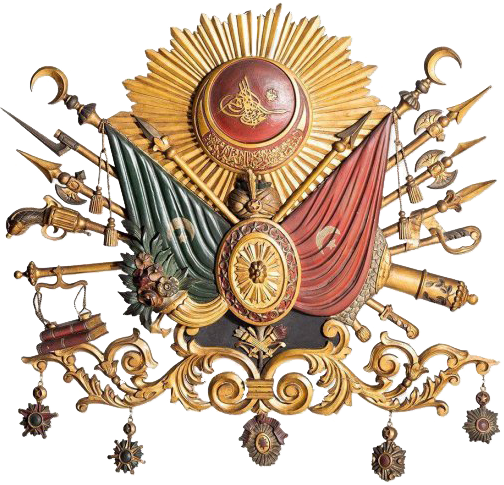
1510(?)-1791 – Ottoman Empire
1510(15)-1764 – The administrative affiliation is not reliably known
1764-1791 – Ozi-Silistra Eyalet, Akkerman kaza, the status of Sultan’s Hass
In the second half of the 15th century, the Ottoman Empire extended its power over the Northern Black Sea region. In 1484, Turkish forces captured Akkerman (Bilhorod-Dnistrovskyi), and in the 1480s, the Tatars took Dashkiv and “founded” Ochakiv (Ochikale) in its place. Around this time, Kachibey also came under the control of the Ottomans and their vassals. The contemporary Odesa researcher, PhD in History O. Sereda, claims that the Ottoman period for our city began approximately between 1510-1515. However, the Lithuanian prince and Polish king Sigismund I officially recognized the loss of the Black Sea coast only in a treaty with Crimean Khan Sahib Giray in 1540. Kachibey, with its estuaries, was already one of the main salt extraction sites for the entire Ukrainian lands. In 1517, Matviy Mekhovsky wrote that huge caravans came for salt to the “Kachibey Lake,” and Mykhailo Lytvyn (Tyshkovych) in 1550 stated that salt from the “estuaries called Kachibey’s” was loaded onto ships. O. Sereda claims that on Ottoman maps from the mid-16th century, including the map by Ali Manjara, Kachibey is present as “Khojabey Limane.” “Liman” translates literally from Turkish as “port.” It should be noted that in Ottoman administrative documentation, business papers, and so forth, the city is exclusively referred to as “Khojabey” (in Turkish) or “Kojabey” (in Crimean Tatar). The later name of the city as “Khajibey” is encountered by researchers exclusively in Russian written sources, and most likely, this name is the result of the reduction of the Turkish-Crimean Tatar “o” and “a” to the Russian “a” and “i.” There is another version regarding this, but more on that a bit later.
Salt traders, known as “solyaniks” until the mid-17th century, came to Kachibey from all over Ukraine. The majority of solyaniks during this period were Ukrainian Cossacks, who had begun appearing in the modern Odesa region since the late 15th century. In 1548, in a letter (yarlik) to the Polish king, Sağib Giray complained that Ukrainian solyaniks, “who come for salt to Kochubey,” were killing and capturing Tatars. He specifically mentioned the capture of a noble Tatar, Sarucharu. In 1552, Khan Devlet Giray, in a letter to Sigismund II Augustus, confirming the rights of Polish and Lithuanian subjects “to go to Kachibey for salt” and receive compensation in case of harm caused by the local garrison, remarked “except (except — T. Honcharuk) for your Cossacks.” As a result of the Cossack raids, the Tatar Kachibey declined. The Cossacks used its structures as a base. According to Russian historian Sergey Solovyov, in the second half of the 16th century, Ukrainian Cossacks lay in wait for Turkish caravans in Kochubey. In 1578, Martin Broniewski wrote that an extraordinary number of Cossacks always gathered at the salt lakes near the “Kachibey settlement.” However, the settlement around the fortress existed throughout the entire Ottoman period.
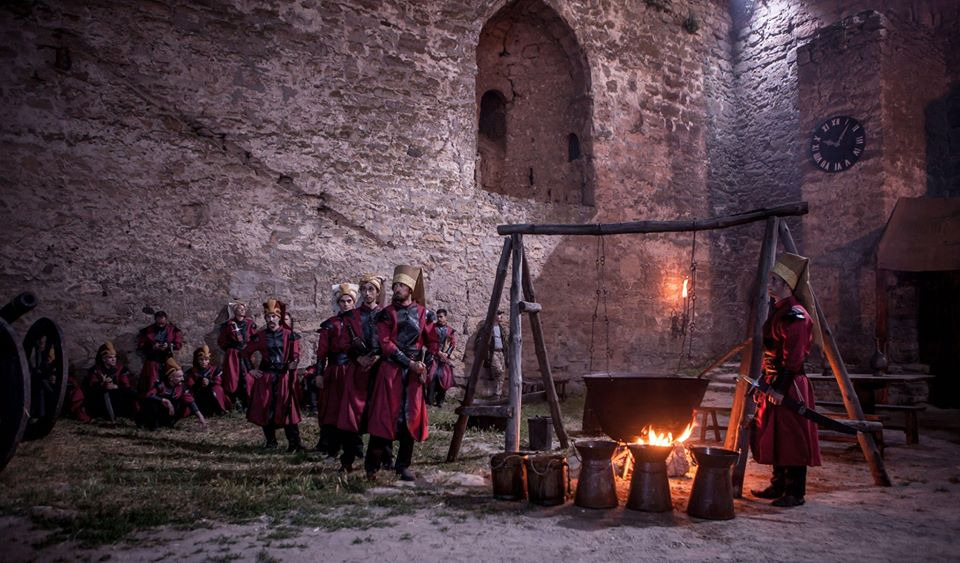 O. Sereda asserts that an Ottoman document, a decree to the Bender sanjak-bey dated 1583, is located in the Istanbul archives, indicating that Hocabey was under the care of the Bender sanjak-bey at that time. This document states that not far from Bender, there is a fortress (kale) called Hocabey undergoing repairs. The decree also mentions that Hocabey should be provided with Wallachian repairmen to make the fortress more capable. This suggests that Wallachians already lived in the outskirts of Hocabey at that time, forming a sort of “Moldavanka.” Other evidence from that period suggests that this area was located around the modern Polish Descent.
In another document dated 1584-1585, which is a decree to the Akkerman and Ochakov qadis, it is stated that they are appointed responsible for the repair of the Hocabey fortress (kale). A document dated 1593 mentions that Hocabey has all the necessary conditions for accommodating Muslims. It indicates that in 1593, the majority of Hocabey’s population were not Muslims and that the Silistrian sanjak-bey was also involved in the restoration of the fortress.
Thus, from 1583 to 1593, the Hocabey fortress was overseen by the sanjak-beys of Silistra and Bender, as well as the qadis of Akkerman and Ochakov. The voivodes of Wallachia and Moldavia provided labor and materials for the fortress’s repair. The restoration of the Hocabey fortress was necessitated by the almost continuous attacks by Ukrainian Cossacks on Hocabey and its suburbs. These attacks began at the end of the 16th century, continued throughout the 17th century, and only started to decline at the beginning of the 18th century.
It should be noted that in the tax registers of the 16th-18th centuries, Hocabey does not appear in the Bender, Ochakov, or Akkerman kazas (administrative-judicial units). Leading Turkish Turkologist and Ottomanist, Professor of Istanbul University, Ph.D. Feridun Mustafa Emecen, suggests that the population of Hocabey simply was not taxed by the Ottoman authorities. The reason may be that during this period, Hocabey had the status of a “free place,” similar to the “porto-franco” status of the Russian period. The Ottoman Empire also practiced granting this status to certain cities. It is assumed that the triangle of present-day Mayaky-Karolino-Buhaz-Odesa – Karakermen might have been leased to the Crimean Tatar Khan. An indirect confirmation of this fact could be the dispatch of 15,000 Tatars to Hocabey. The inability to precisely determine the subordination of this territory is due to the absence of the Crimean Tatar archive of that period, which was taken from Crimea by Russian occupiers in 1783 to Saint Petersburg. Its traces were then lost.
From the beginning of the 17th century, the gradual colonization of Hocabey’s suburbs by Cossacks began. Regarding the Hocabey fortress itself, what its structures looked like when the territory of Hocabey was a zone of Ukrainian-Ottoman confrontation can be seen from the description of the mid-17th-century traveler E. Çelebi. Traveling from Akkerman to Ochakov, he arrived “on the land of the Hocabey fortress” and noted: “To this day, the structures of this fortification have been preserved and are clearly visible on the seashore, on a steep cliff. If this fortification were to be repaired even a little, the area would become populated, and the road safe.” Returning back, E. Çelebi and his companions “moving quickly along the shore of the Black Sea, … reached the Hocabey fortress and stopped there. In this ruined fortress, they hid the captives with wagons and placed a reliable guard around them. They hung pots, fed the horses, and after the evening prayer, set off south again.” Thus, even the half-ruined fortress of Hocabey could provide some protection for both the Ottomans and the Cossacks, who were watching them there.
By the way, in mid-July 1709, Ukrainian hetman Ivan Mazepa and Swedish King Charles XII with their entourage passed through the lands of Hocabey, traveling from Ochakov to Bender after their defeat in the Battle of Poltava. “From July 20 to 30, 1709, the defeated Swedish King Charles, after Poltava, passed by Hadiibey — then a small Tatar village,” noted historian and archaeologist Mykola Murzakevich. In the first half of the 18th century, the intensity of Cossack campaigns decreased, and the region around Hocabey experienced economic revival. Many Ukrainian peasants fled to the Tatar lands between the Southern Bug and the Dniester, where Moldovans, Jews, Russian Old Believers, Armenians, and other non-Muslims also resettled. By the 1730s, this region was referred to as “Ganshchina,” “Tatar Wallachia,” or “Khan’s Ukraine” (reporting to Hetman K. Rozumovsky in 1764 about the population of local “Khan’s settlements,” a Zaporozhian Host scribe wrote: “Wallachians, Jews, and more than half of the people in each settlement are of the Little Russian [Ukrainian] nationality”). The grain produced here was exported to Istanbul through the Tatar port of Adjidere (Ovidiopol) and Hocabey. It is known that as early as 1750, Turkish ships were docking in “Kudzhabee”.
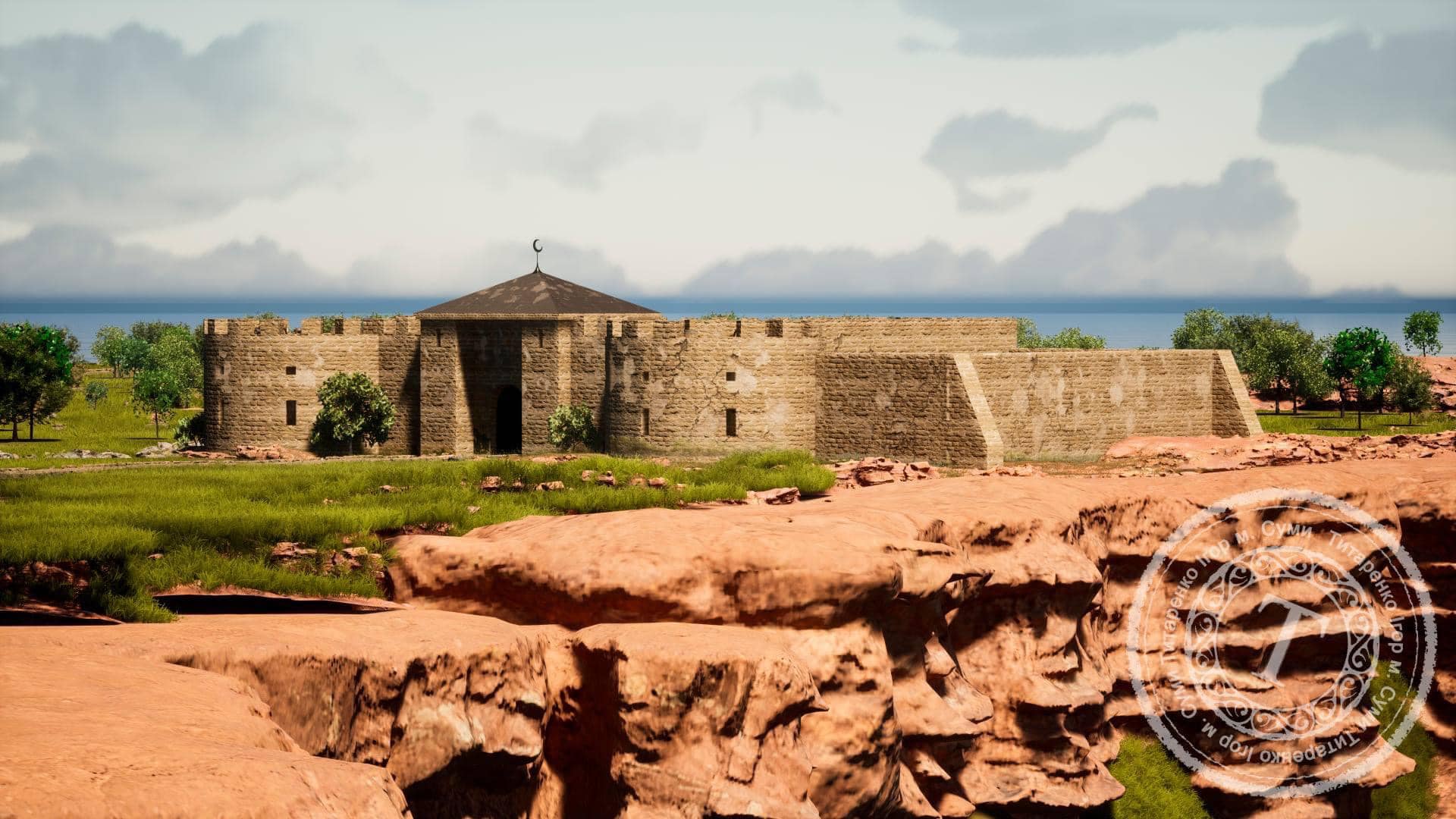
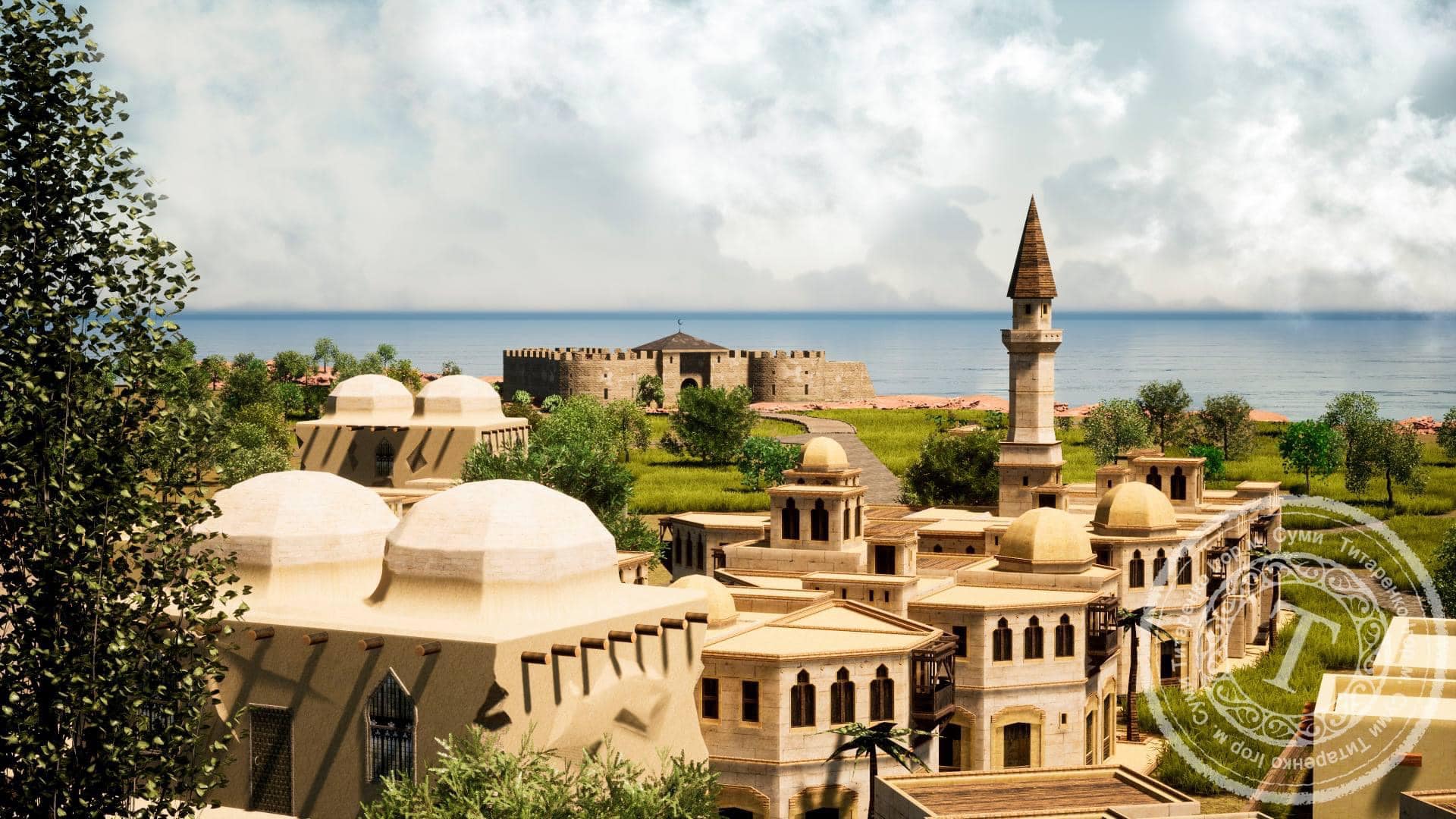
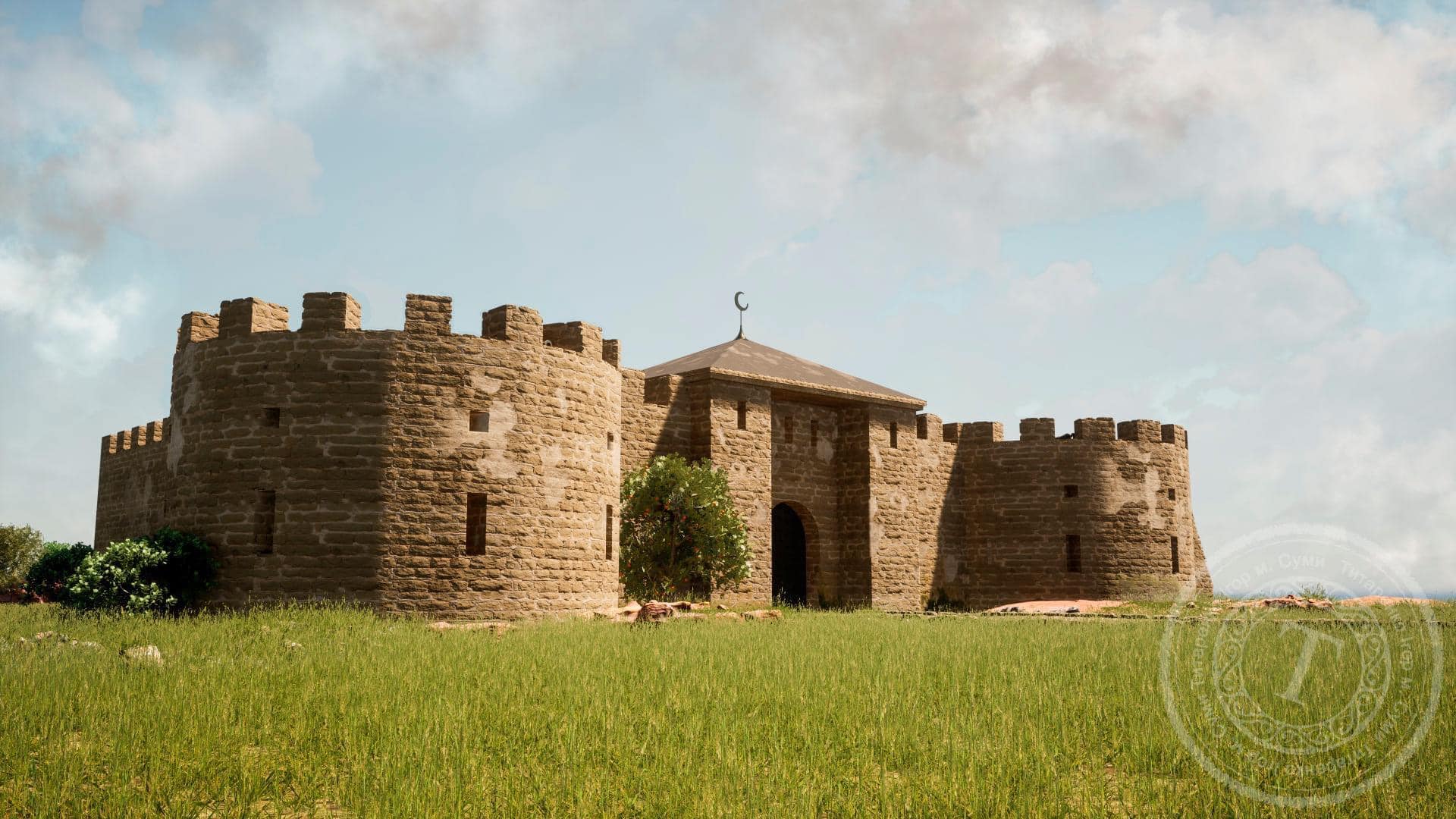
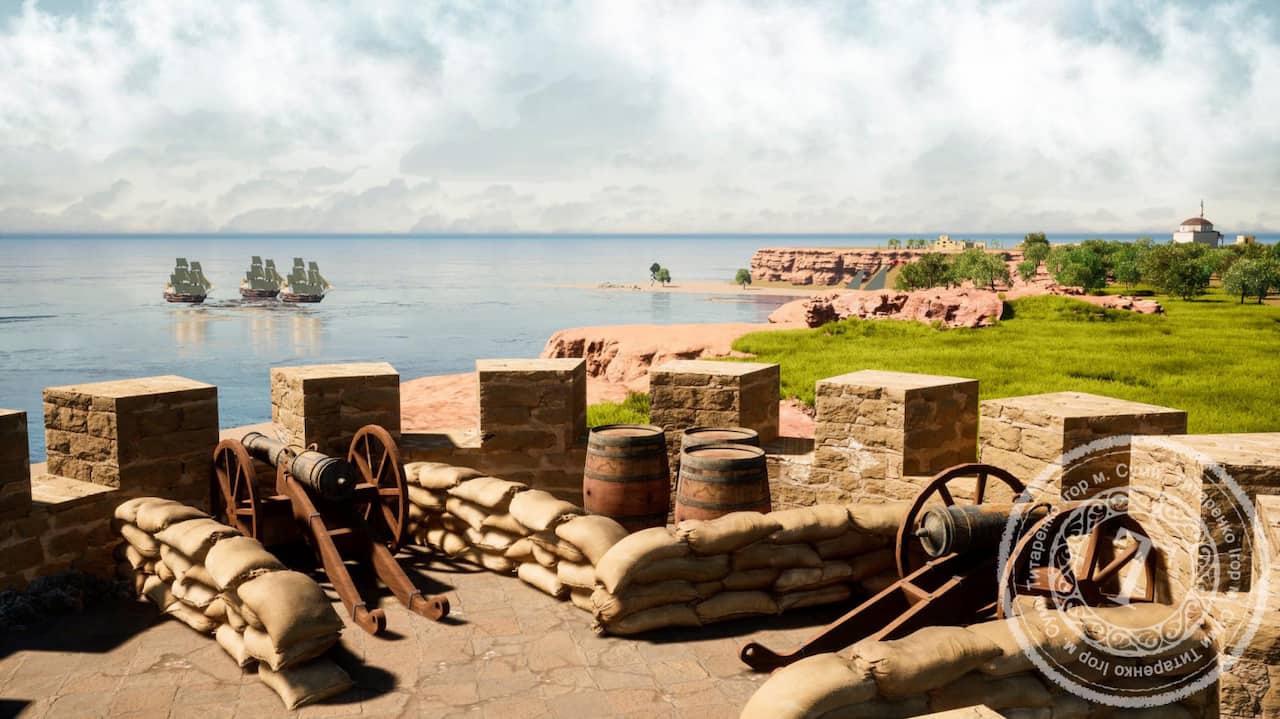
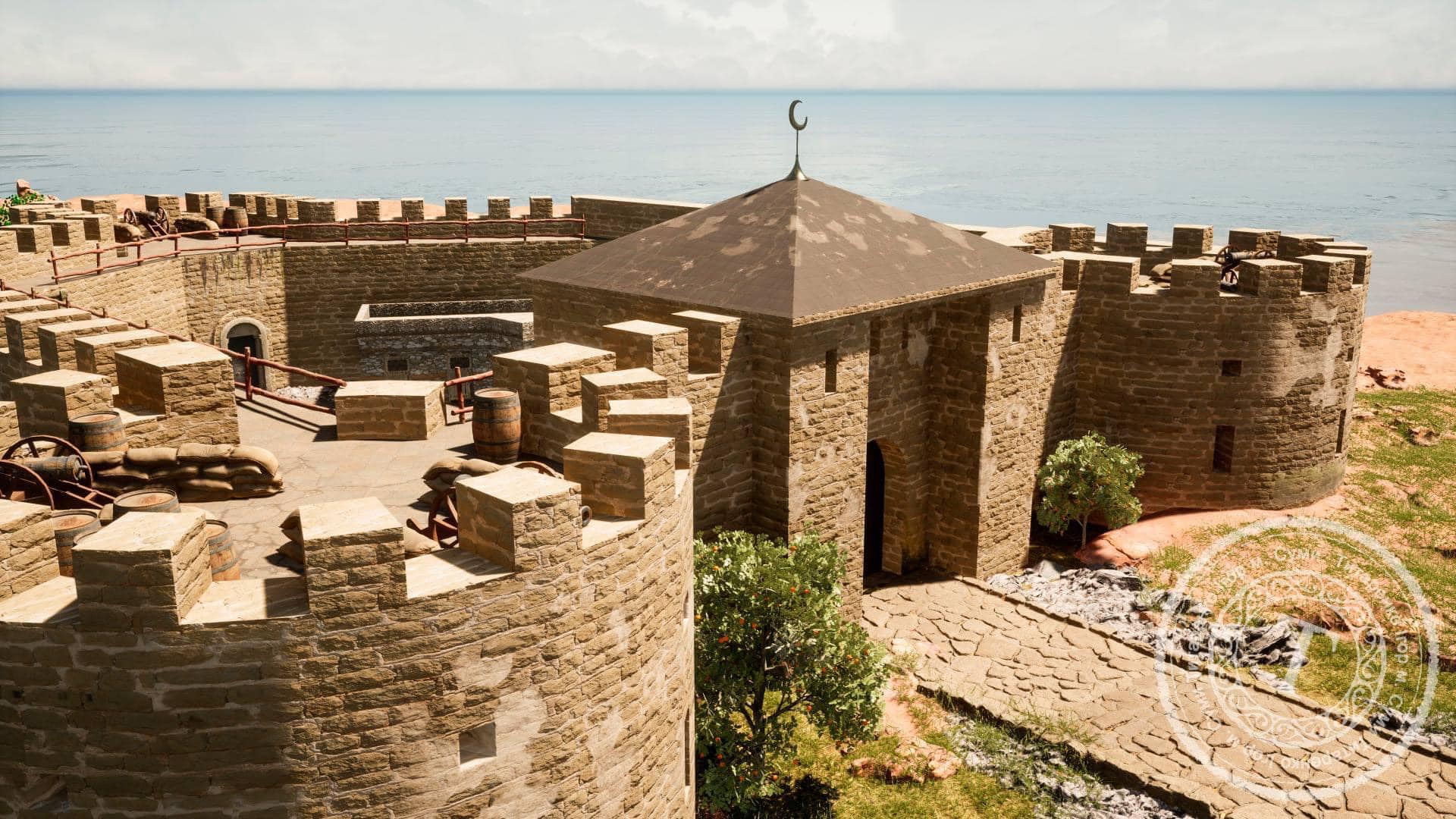
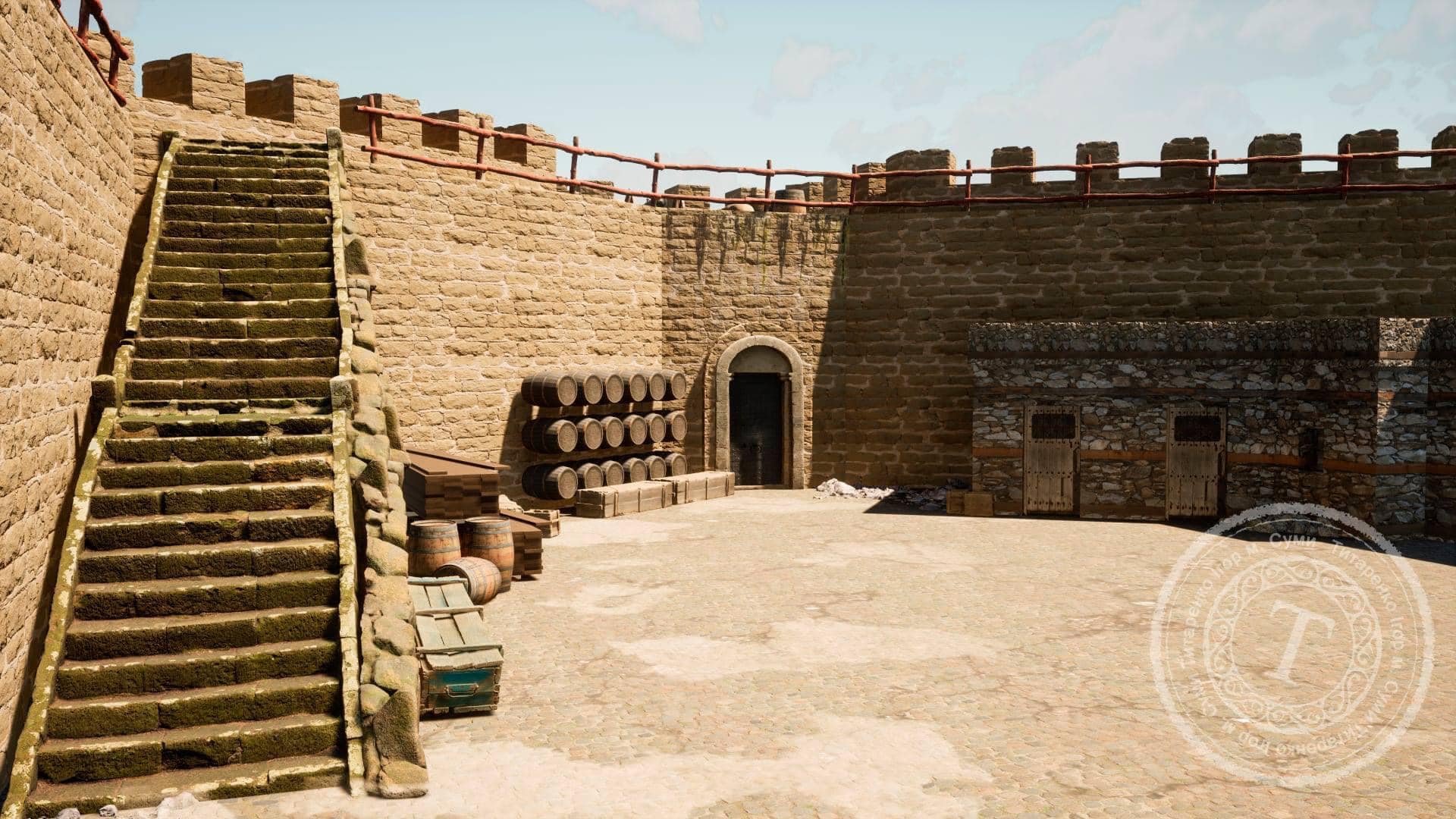
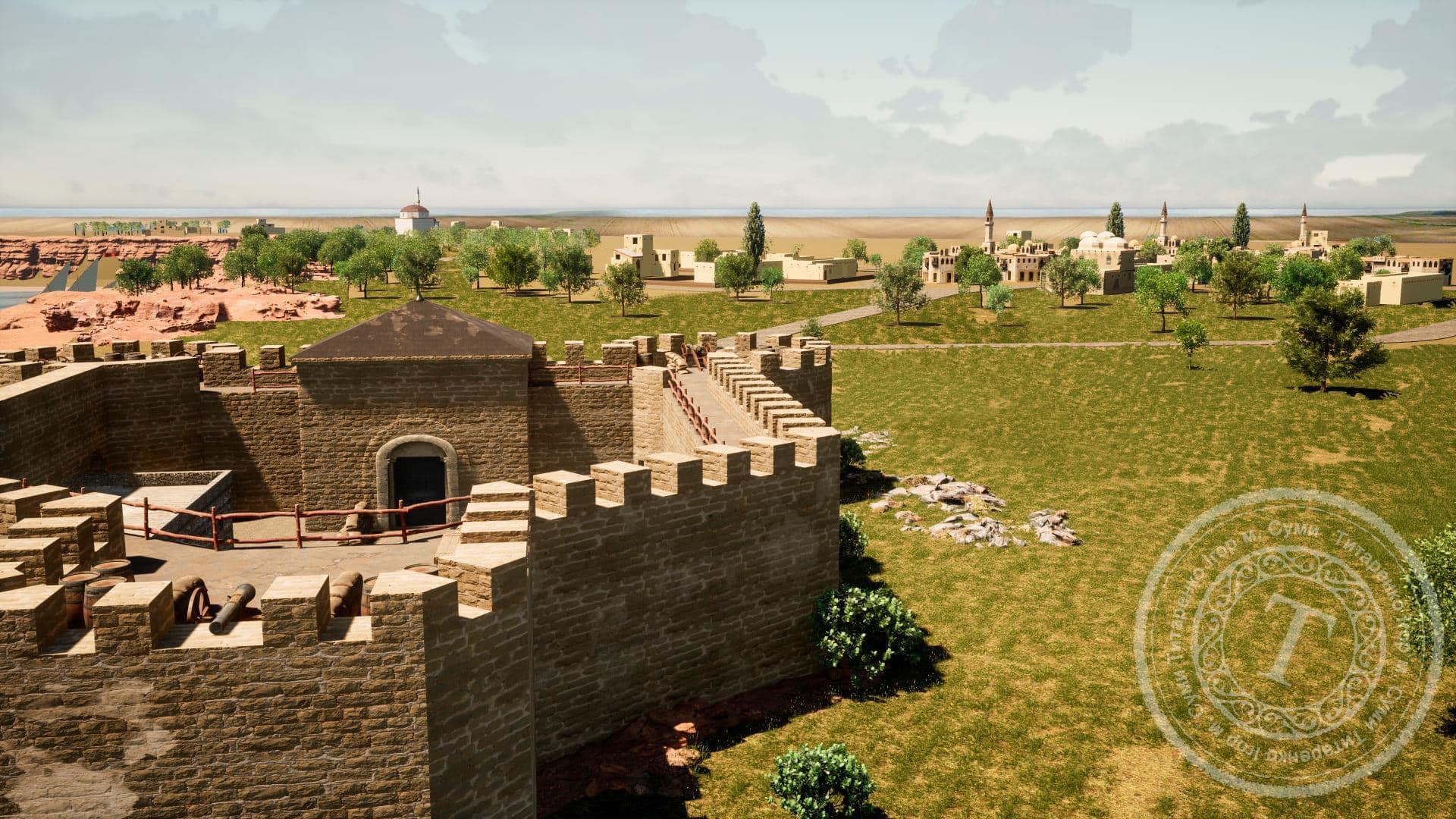
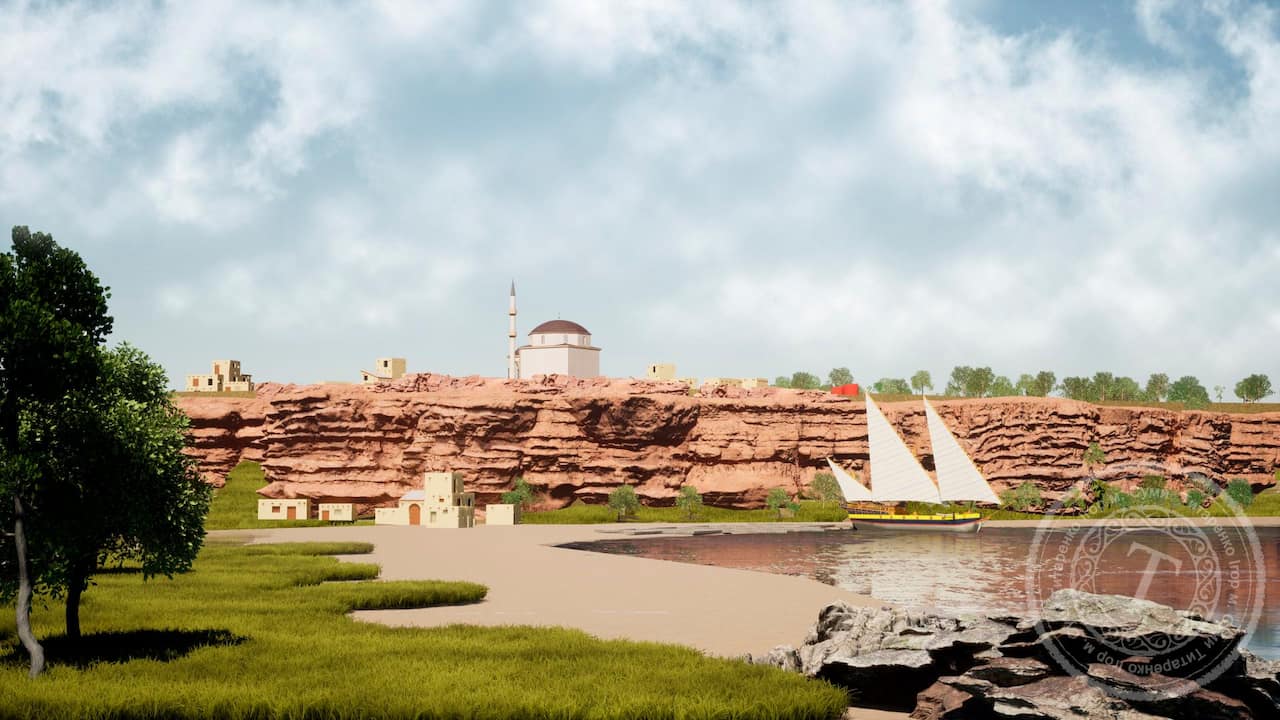 By the Sultan’s firman of 1764, Hocabey is noted to belong to the Akkerman kaza, and by that time, a port with a dock had been built, and the city itself had the status of a Sultan’s khassa (direct administration directly by the Sultan’s lands). Additionally, the city has a mosque, a caravanserai, a shop, a café, and other facilities characteristic of the city. Furthermore, the firman appoints a representative of the Sultan’s authority in Hocabey – Hafiz El-hac Mehmed (Hafiz El-hadzh Mehmed). His functions correspond to those of a city mayor. In fact, Hafiz El-hac Mehmed was the first mayor of the city. As for Andriy Zheleznov, a merchant of the Second Guild of Yelisavetgrad, who served as mayor in 1796-1797, we can say that he was the first elected mayor of the city (elected on January 14, 1796, by 150 citizens – residents of the city at that time). There is an interesting hypothesis that the prefix “El-hac” in the name of the mayor of Hocabey likely allowed Russian scouts to report that the city was governed by a “Hajibey.” Whether true or not, during the period from 1764 to 1775, Russian sources began to use and cement the name “Khadjibey” for this city.
In 1765, Crimean Khan Selim Geray visited Khadzhibey and “saw with his own eyes the mentioned harbor and constructed buildings.” Besides the structures in Khadzhibey, there were many empty spaces “intended for wagons (garb) of grain and a customs square.” To prevent actions of grain speculators linked to trade in Ovidiopol (Adzhidera), it was ordered to bring all the grain from this port (by the beginning of 1775, there were 174 warehouses or cellars filled with wheat in Ovidiopol) to Khadzhibey and sell it there “at current prices to ship captains” (this was to be done “with the assistance of the manager of the port of Khadzhibey – Hodzha Hafiz-effendi, who is from the state of muderrisi“, i.e., from the state of scholars or persons of scholarly rank).
Under the pretext of combating mentioned speculators, the Grand Vizier, by his decree dated August 2, 1765, ordered that “the butter churned by Edisanis, wheat, and barley shall not be brought to the port of Adjidere, but shall be directly transported to the port of Khadzhibey“. This decision was evidently linked not only to the attempt to eliminate intermediaries in food supply to Istanbul and establish Ottoman control over this supply but also because the agricultural base of “Hanseatic Ukraine” had by then expanded to lands quite distant from the Dniester (to the Southern Bug River), making it much more convenient to supply dry land grain from these territories to Khadzhibey rather than to Adjidere. Moreover, the Ottoman government considered Khadzhibey to potentially serve as a port not only for internal trade, stating: “This mentioned place [Khadzhibey] is leased to merchants arriving from Muscovy, Lech (Poland), and Bender for the transshipment of a significant quantity of grain, as well as to eminams [trusted persons] of traders arriving from the capital“. Since 1765, the fortress in Khadzhibey has been reconstructed, which in some predominantly Russian sources was called “Yeni Dunya” (from Turkish, “New World”). This tradition apparently stems from the report of a Zaporozhian interpreter who in 1765 first reported that “beyond Ochakov… towards Bilhorod, at a distance of 60 versts from Ochakov near the sea, a fortress is being built, which is called Yenidunya, meaning New World. Previously, there was a village called Kudzhabey. This mentioned fortress began construction this year in the spring, and it is being built by Vlachs, who are bringing stones from the steppe and surrounding rivers“. In response to Russian claims, the Turks asserted that they were not constructing a new fortress in Khadzhibey, but rather repairing the one that had been there since ancient times. They also mentioned constructing warehouses for storing food, which was shipped to Istanbul, and a lighthouse (located in what is now Shevchenko Park) for safe entry of ships into Khadzhibey Bay (as Russian diplomats wrote, their Turkish counterparts claimed that “the fortress called Yenidunya is nothing more than the renovation of a small castle that has been there since ancient times, with the installation of a lighthouse for the safety of sailors and entry of ships into the local bay, and the construction of four or five warehouses for storing bread and other food supplies gathered and shipped to Tsargrad from that region“). Russian intelligence officer Ivan Islyenyev, who visited Khadzhibey in 1766 disguised as a merchant and drew up its plan, referred to this place as a city (“Plan of the newly built Turkish city of Gadjibey on the Black Sea coast…”) and marked a whole series of buildings located in the central part of present-day Odessa: the old fortress with an added battery, a mosque, houses of the commander above the city and the bey of Janissaries, barracks for Janissaries and Vlach builders, a public bakery, a well, as well as elements of urban trade infrastructure — “a dock for ships on piles,” “a place where elders gather on trading days,” shops for visiting merchants, a guest yard, warehouses, etc. O. Sereda, relying on Ottoman sources, mentions the construction in Khadzhibey before 1768 not only of a fortress, “a dock in the port of Khadzhibey,” a shop, a mosque, “a large inn,” but also “baths being built at the Khadzhibey port,” and the establishment of “post office departments” in this city.
After the destruction of the Zaporizhian Sich in 1775, some Ukrainian Cossacks fled to familiar lands around Tyligul and Khadzhibey (in 1776 there were “up to three thousand near Tyligul and Berezan… and up to four thousand near Khadzhibey“). In 1779, the Turkish authorities “allocated… places in Khadzhibey, Ovidiopol, and Yanık Polan (Palanka) for the settlement of these Cossacks” However, at the request of the Russian government, under the Aynali-Kavak Convention of March 10, 1779, these former Zaporozhians were resettled beyond the Danube (away from Russian borders), where they founded the Zadunaiska Sich. According to this convention, the land between the Dnieper and the Dniester rivers was recognized as Ottoman (rather than Crimean) territory. In the period leading up to the annexation of the Crimean Khanate by Russia, a group of Crimean Tatar refugees (similar to the previous Zaporozhian refugees) found refuge in the vicinity of Khadzhibey. According to information from the French engineer in Ottoman service, Jean Lafitte-Clavé, who visited Khadzhibey in 1784, the Crimean Tatars “have numerous herds of horses and so on there“. According to the plan drafted by J. Lafitte-Clavé and his diary, the Crimean Tatars settled in Khadzhibey as a separate “village” near the present Military Beam in the center of Odessa, significantly expanding the territory of the settlement. J. Lafitte-Clavé described the fortress of Khadzhibey, the lighthouse (“which was in quite good condition”), marked a mill on the outskirts of the city on the plan, and regarding the port he noted: “Here wheat is unloaded for Constantinople, which is smuggled into [Little] Asia, as well as butter, processed hides, and so on.” O. Markevych also indicated the extensive trade geography of Ottoman Khadzhibey at the time, stating: “Grain products were exported through Khadzhibey; they were needed not only by Turkey, but also by the Levant and even southern France, which bought grain products in Turkish ports and imported them through Marseille. …Constantinople consumed barley from the outskirts of Odessa, but generally the main supplier of bread through Khadzhibey was Polish Little Russia, that is, the large estates of the Bratslavshchyna and Uman region at that time, partially Galicia and Volhynia …Various more diverse goods were brought by sea from Turkey to Khadzhibey for shipment inland: wines, fruits, grocery items, Eastern sweets, various products, etc.“.
Salt traders, known as “solyaniks” until the mid-17th century, came to Kachibey from all over Ukraine. The majority of solyaniks during this period were Ukrainian Cossacks, who had begun appearing in the modern Odesa region since the late 15th century. In 1548, in a letter (yarlik) to the Polish king, Sağib Giray complained that Ukrainian solyaniks, “who come for salt to Kochubey,” were killing and capturing Tatars. He specifically mentioned the capture of a noble Tatar, Sarucharu. In 1552, Khan Devlet Giray, in a letter to Sigismund II Augustus, confirming the rights of Polish and Lithuanian subjects “to go to Kachibey for salt” and receive compensation in case of harm caused by the local garrison, remarked “except (except — T. Honcharuk) for your Cossacks.” As a result of the Cossack raids, the Tatar Kachibey declined. The Cossacks used its structures as a base. According to Russian historian Sergey Solovyov, in the second half of the 16th century, Ukrainian Cossacks lay in wait for Turkish caravans in Kochubey. In 1578, Martin Broniewski wrote that an extraordinary number of Cossacks always gathered at the salt lakes near the “Kachibey settlement.” However, the settlement around the fortress existed throughout the entire Ottoman period.
O. Sereda asserts that an Ottoman document, a decree to the Bender sanjak-bey dated 1583, is located in the Istanbul archives, indicating that Hocabey was under the care of the Bender sanjak-bey at that time. This document states that not far from Bender, there is a fortress (kale) called Hocabey undergoing repairs. The decree also mentions that Hocabey should be provided with Wallachian repairmen to make the fortress more capable. This suggests that Wallachians already lived in the outskirts of Hocabey at that time, forming a sort of “Moldavanka.” Other evidence from that period suggests that this area was located around the modern Polish Descent.In another document dated 1584-1585, which is a decree to the Akkerman and Ochakov qadis, it is stated that they are appointed responsible for the repair of the Hocabey fortress (kale). A document dated 1593 mentions that Hocabey has all the necessary conditions for accommodating Muslims. It indicates that in 1593, the majority of Hocabey’s population were not Muslims and that the Silistrian sanjak-bey was also involved in the restoration of the fortress.
Thus, from 1583 to 1593, the Hocabey fortress was overseen by the sanjak-beys of Silistra and Bender, as well as the qadis of Akkerman and Ochakov. The voivodes of Wallachia and Moldavia provided labor and materials for the fortress’s repair. The restoration of the Hocabey fortress was necessitated by the almost continuous attacks by Ukrainian Cossacks on Hocabey and its suburbs. These attacks began at the end of the 16th century, continued throughout the 17th century, and only started to decline at the beginning of the 18th century.
It should be noted that in the tax registers of the 16th-18th centuries, Hocabey does not appear in the Bender, Ochakov, or Akkerman kazas (administrative-judicial units). Leading Turkish Turkologist and Ottomanist, Professor of Istanbul University, Ph.D. Feridun Mustafa Emecen, suggests that the population of Hocabey simply was not taxed by the Ottoman authorities. The reason may be that during this period, Hocabey had the status of a “free place,” similar to the “porto-franco” status of the Russian period. The Ottoman Empire also practiced granting this status to certain cities. It is assumed that the triangle of present-day Mayaky-Karolino-Buhaz-Odesa – Karakermen might have been leased to the Crimean Tatar Khan. An indirect confirmation of this fact could be the dispatch of 15,000 Tatars to Hocabey. The inability to precisely determine the subordination of this territory is due to the absence of the Crimean Tatar archive of that period, which was taken from Crimea by Russian occupiers in 1783 to Saint Petersburg. Its traces were then lost.
From the beginning of the 17th century, the gradual colonization of Hocabey’s suburbs by Cossacks began. Regarding the Hocabey fortress itself, what its structures looked like when the territory of Hocabey was a zone of Ukrainian-Ottoman confrontation can be seen from the description of the mid-17th-century traveler E. Çelebi. Traveling from Akkerman to Ochakov, he arrived “on the land of the Hocabey fortress” and noted: “To this day, the structures of this fortification have been preserved and are clearly visible on the seashore, on a steep cliff. If this fortification were to be repaired even a little, the area would become populated, and the road safe.” Returning back, E. Çelebi and his companions “moving quickly along the shore of the Black Sea, … reached the Hocabey fortress and stopped there. In this ruined fortress, they hid the captives with wagons and placed a reliable guard around them. They hung pots, fed the horses, and after the evening prayer, set off south again.” Thus, even the half-ruined fortress of Hocabey could provide some protection for both the Ottomans and the Cossacks, who were watching them there.
By the way, in mid-July 1709, Ukrainian hetman Ivan Mazepa and Swedish King Charles XII with their entourage passed through the lands of Hocabey, traveling from Ochakov to Bender after their defeat in the Battle of Poltava. “From July 20 to 30, 1709, the defeated Swedish King Charles, after Poltava, passed by Hadiibey — then a small Tatar village,” noted historian and archaeologist Mykola Murzakevich. In the first half of the 18th century, the intensity of Cossack campaigns decreased, and the region around Hocabey experienced economic revival. Many Ukrainian peasants fled to the Tatar lands between the Southern Bug and the Dniester, where Moldovans, Jews, Russian Old Believers, Armenians, and other non-Muslims also resettled. By the 1730s, this region was referred to as “Ganshchina,” “Tatar Wallachia,” or “Khan’s Ukraine” (reporting to Hetman K. Rozumovsky in 1764 about the population of local “Khan’s settlements,” a Zaporozhian Host scribe wrote: “Wallachians, Jews, and more than half of the people in each settlement are of the Little Russian [Ukrainian] nationality”). The grain produced here was exported to Istanbul through the Tatar port of Adjidere (Ovidiopol) and Hocabey. It is known that as early as 1750, Turkish ships were docking in “Kudzhabee”.
By the Sultan’s firman of 1764, Hocabey is noted to belong to the Akkerman kaza, and by that time, a port with a dock had been built, and the city itself had the status of a Sultan’s khassa (direct administration directly by the Sultan’s lands). Additionally, the city has a mosque, a caravanserai, a shop, a café, and other facilities characteristic of the city. Furthermore, the firman appoints a representative of the Sultan’s authority in Hocabey – Hafiz El-hac Mehmed (Hafiz El-hadzh Mehmed). His functions correspond to those of a city mayor. In fact, Hafiz El-hac Mehmed was the first mayor of the city. As for Andriy Zheleznov, a merchant of the Second Guild of Yelisavetgrad, who served as mayor in 1796-1797, we can say that he was the first elected mayor of the city (elected on January 14, 1796, by 150 citizens – residents of the city at that time). There is an interesting hypothesis that the prefix “El-hac” in the name of the mayor of Hocabey likely allowed Russian scouts to report that the city was governed by a “Hajibey.” Whether true or not, during the period from 1764 to 1775, Russian sources began to use and cement the name “Khadjibey” for this city.In 1765, Crimean Khan Selim Geray visited Khadzhibey and “saw with his own eyes the mentioned harbor and constructed buildings.” Besides the structures in Khadzhibey, there were many empty spaces “intended for wagons (garb) of grain and a customs square.” To prevent actions of grain speculators linked to trade in Ovidiopol (Adzhidera), it was ordered to bring all the grain from this port (by the beginning of 1775, there were 174 warehouses or cellars filled with wheat in Ovidiopol) to Khadzhibey and sell it there “at current prices to ship captains” (this was to be done “with the assistance of the manager of the port of Khadzhibey – Hodzha Hafiz-effendi, who is from the state of muderrisi“, i.e., from the state of scholars or persons of scholarly rank).
Under the pretext of combating mentioned speculators, the Grand Vizier, by his decree dated August 2, 1765, ordered that “the butter churned by Edisanis, wheat, and barley shall not be brought to the port of Adjidere, but shall be directly transported to the port of Khadzhibey“. This decision was evidently linked not only to the attempt to eliminate intermediaries in food supply to Istanbul and establish Ottoman control over this supply but also because the agricultural base of “Hanseatic Ukraine” had by then expanded to lands quite distant from the Dniester (to the Southern Bug River), making it much more convenient to supply dry land grain from these territories to Khadzhibey rather than to Adjidere. Moreover, the Ottoman government considered Khadzhibey to potentially serve as a port not only for internal trade, stating: “This mentioned place [Khadzhibey] is leased to merchants arriving from Muscovy, Lech (Poland), and Bender for the transshipment of a significant quantity of grain, as well as to eminams [trusted persons] of traders arriving from the capital“. Since 1765, the fortress in Khadzhibey has been reconstructed, which in some predominantly Russian sources was called “Yeni Dunya” (from Turkish, “New World”). This tradition apparently stems from the report of a Zaporozhian interpreter who in 1765 first reported that “beyond Ochakov… towards Bilhorod, at a distance of 60 versts from Ochakov near the sea, a fortress is being built, which is called Yenidunya, meaning New World. Previously, there was a village called Kudzhabey. This mentioned fortress began construction this year in the spring, and it is being built by Vlachs, who are bringing stones from the steppe and surrounding rivers“. In response to Russian claims, the Turks asserted that they were not constructing a new fortress in Khadzhibey, but rather repairing the one that had been there since ancient times. They also mentioned constructing warehouses for storing food, which was shipped to Istanbul, and a lighthouse (located in what is now Shevchenko Park) for safe entry of ships into Khadzhibey Bay (as Russian diplomats wrote, their Turkish counterparts claimed that “the fortress called Yenidunya is nothing more than the renovation of a small castle that has been there since ancient times, with the installation of a lighthouse for the safety of sailors and entry of ships into the local bay, and the construction of four or five warehouses for storing bread and other food supplies gathered and shipped to Tsargrad from that region“). Russian intelligence officer Ivan Islyenyev, who visited Khadzhibey in 1766 disguised as a merchant and drew up its plan, referred to this place as a city (“Plan of the newly built Turkish city of Gadjibey on the Black Sea coast…”) and marked a whole series of buildings located in the central part of present-day Odessa: the old fortress with an added battery, a mosque, houses of the commander above the city and the bey of Janissaries, barracks for Janissaries and Vlach builders, a public bakery, a well, as well as elements of urban trade infrastructure — “a dock for ships on piles,” “a place where elders gather on trading days,” shops for visiting merchants, a guest yard, warehouses, etc. O. Sereda, relying on Ottoman sources, mentions the construction in Khadzhibey before 1768 not only of a fortress, “a dock in the port of Khadzhibey,” a shop, a mosque, “a large inn,” but also “baths being built at the Khadzhibey port,” and the establishment of “post office departments” in this city.
After the destruction of the Zaporizhian Sich in 1775, some Ukrainian Cossacks fled to familiar lands around Tyligul and Khadzhibey (in 1776 there were “up to three thousand near Tyligul and Berezan… and up to four thousand near Khadzhibey“). In 1779, the Turkish authorities “allocated… places in Khadzhibey, Ovidiopol, and Yanık Polan (Palanka) for the settlement of these Cossacks” However, at the request of the Russian government, under the Aynali-Kavak Convention of March 10, 1779, these former Zaporozhians were resettled beyond the Danube (away from Russian borders), where they founded the Zadunaiska Sich. According to this convention, the land between the Dnieper and the Dniester rivers was recognized as Ottoman (rather than Crimean) territory. In the period leading up to the annexation of the Crimean Khanate by Russia, a group of Crimean Tatar refugees (similar to the previous Zaporozhian refugees) found refuge in the vicinity of Khadzhibey. According to information from the French engineer in Ottoman service, Jean Lafitte-Clavé, who visited Khadzhibey in 1784, the Crimean Tatars “have numerous herds of horses and so on there“. According to the plan drafted by J. Lafitte-Clavé and his diary, the Crimean Tatars settled in Khadzhibey as a separate “village” near the present Military Beam in the center of Odessa, significantly expanding the territory of the settlement. J. Lafitte-Clavé described the fortress of Khadzhibey, the lighthouse (“which was in quite good condition”), marked a mill on the outskirts of the city on the plan, and regarding the port he noted: “Here wheat is unloaded for Constantinople, which is smuggled into [Little] Asia, as well as butter, processed hides, and so on.” O. Markevych also indicated the extensive trade geography of Ottoman Khadzhibey at the time, stating: “Grain products were exported through Khadzhibey; they were needed not only by Turkey, but also by the Levant and even southern France, which bought grain products in Turkish ports and imported them through Marseille. …Constantinople consumed barley from the outskirts of Odessa, but generally the main supplier of bread through Khadzhibey was Polish Little Russia, that is, the large estates of the Bratslavshchyna and Uman region at that time, partially Galicia and Volhynia …Various more diverse goods were brought by sea from Turkey to Khadzhibey for shipment inland: wines, fruits, grocery items, Eastern sweets, various products, etc.“.
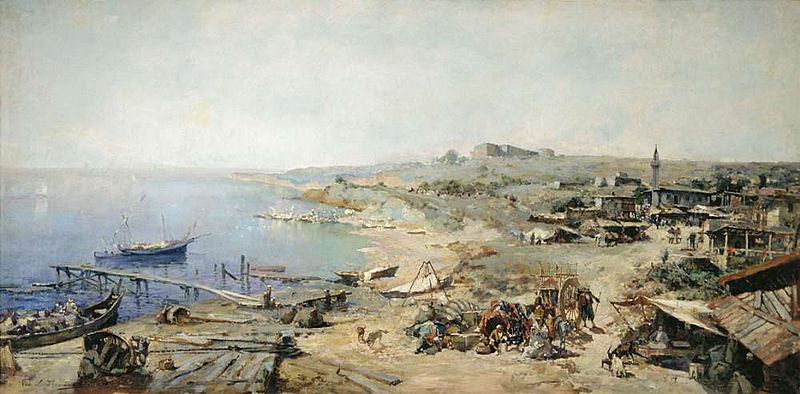 In contemporary Khadzhibey, markets and local trade establishments continued to operate, including food markets (selling alcoholic beverages as well). For instance, J. Lafitte-Clavé noted in his diary on June 4, 1784, the day he departed from the city: “In the evening, sailors who had drunk in Khadzhibey caused a disturbance, for which they were beaten by Mehmet-aga” Among such establishments, the most famous was the coffeehouse of the Greek Simon Asporidi. Referring to “a store with a bakery and coffeehouse run by the Greek Asporidi“, O. Markevych mentioned: “This coffeehouse was for a long time the central place of Khadzhibey, where news was shared; it was located not far from the harbor, approximately at the corner of present-day Deribasivska and Richelieu streets“. Speaking about the composition and occupations of the population of Khadzhibey during the 15-year interwar period (1774-1787), O. Markevych wrote: “During these 15 years, Khadzhibey was a small fortified fortress with a settlement nearby; near the fortress stood a tower with a lighthouse and small stores for storing provisions; at the bottom was the port. The inhabitants, mostly Tatars and Turks, were not numerous; but there were also Greeks (Greeks have long lived here: Karavya, Raftopulo, Stamaty-Labro, Gorgoli…), Moldovans, and various Eastern Christians from Turkish subjects; others came for trade, and generally during navigation in Khadzhibey there could be many residents of various Eastern nationalities for ship loading work; Jews and Karaites settled here early, Polish and possibly Western European merchants also arrived… In the vicinity of Khadzhibey… there were many villages, settlements, hamlets inhabited by Tatars, Moldovans, and mostly Little Russians, and all this population was strong, settled, prosperous, not beggars or incapable wanderers“.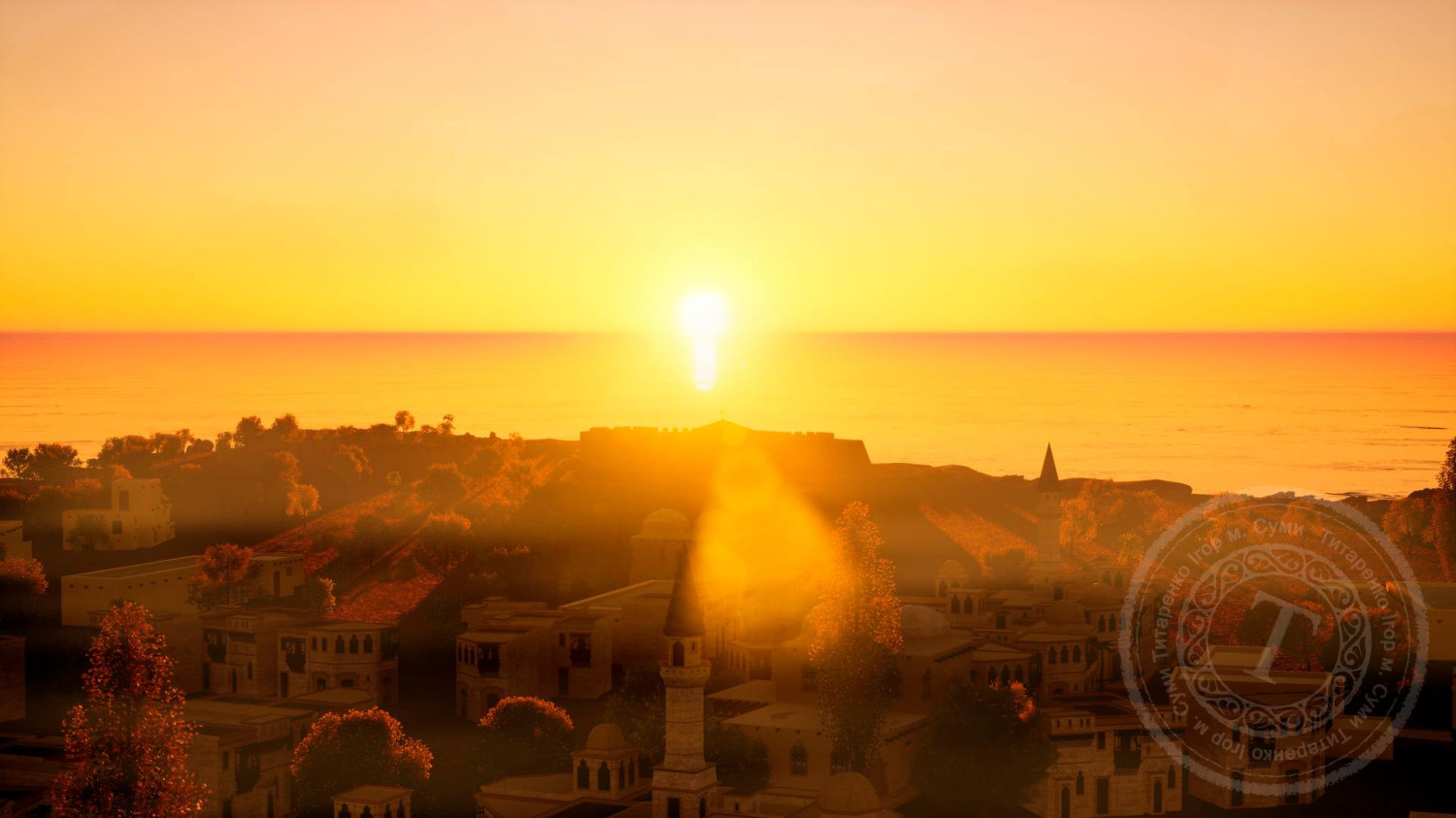
READ MORE→
________________________________
according to materials:
the collective monograph
“Нариси з історії освоєння Південної України XV-XVII ст.”,
T.Honcharuk “Хаджибей-Одеса: проблема урбогенезису”, p.133
О.Sereda, transcript of the lecture
“Ходжабей-Одеса в колі османського Причорномор’я”
photo reconstructions of Khadjibey – I.Titarenko
_______________________________
The text was translated from Ukrainian by Artificial Intelligence