
Previous section (click the link to return):
←4.1.Odessa (Odesa). Period 1794-1822♦
←3.1.Northern Black Sea Region XV-XVIII centuries♦
←3.2.Hocabey-Khodzhabey (Khadzhibey). Period of XV-XVIII centuries↓
←3.3.Khadzhibey-Odessa. Period XVIII century. Northern Black Sea Region XVIII century↓
←2.1.Kotsubey (Kochubiyiv). Period XV century. Eastern Europe II-XV centuries♦
←1.1.Ancient cities in the place of modern Odesa♦
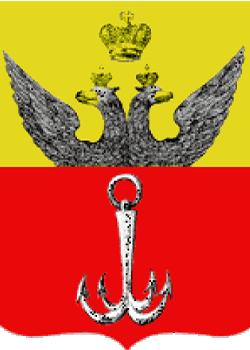
Odessa. Period 1823 – 1848
1791 – 1917 – Russian Empire
1802 – 1873 – Novorossia Governorate-General
1803 – 1917 – Kherson Governorate
1827 – 1917 – Odesa District
1803 – 1838 – Own City Administration
This period in the city’s history was marked not only by economic achievements, as with previous administrators, but also by a large number of architectural and cultural monuments that were constructed during this time.
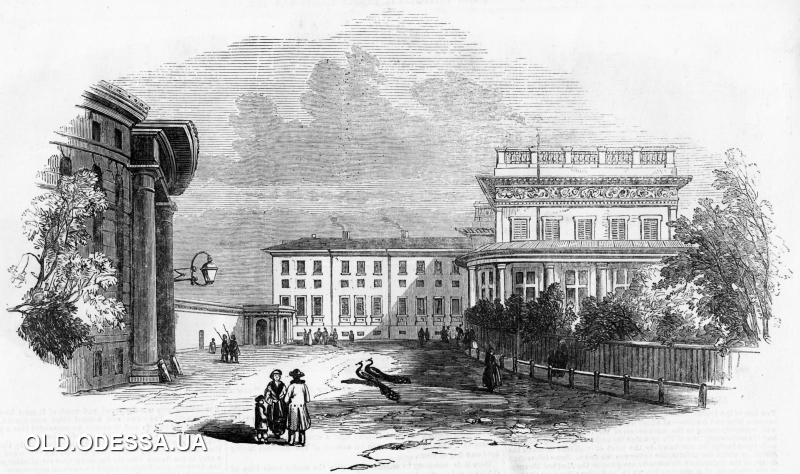
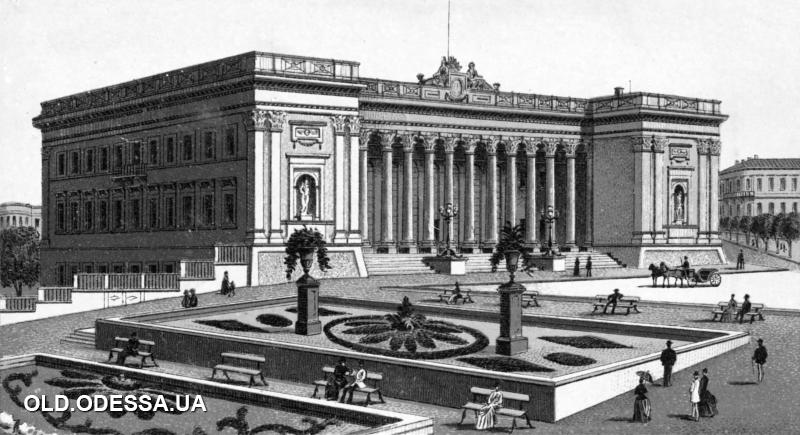
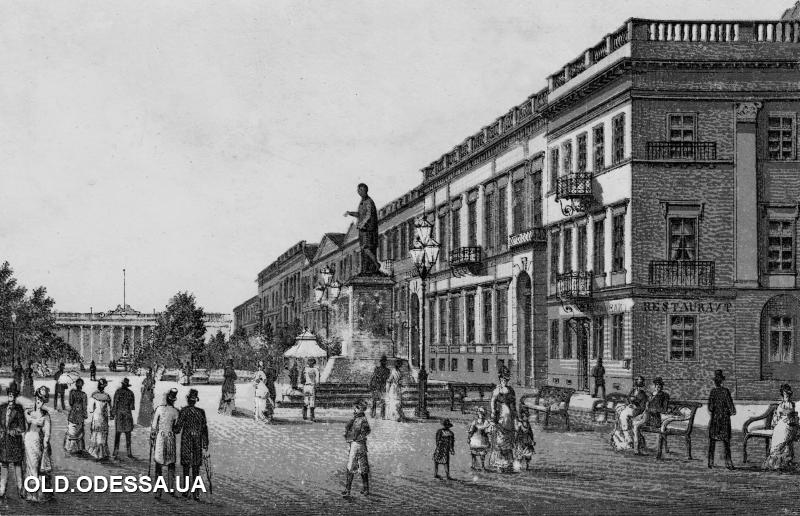
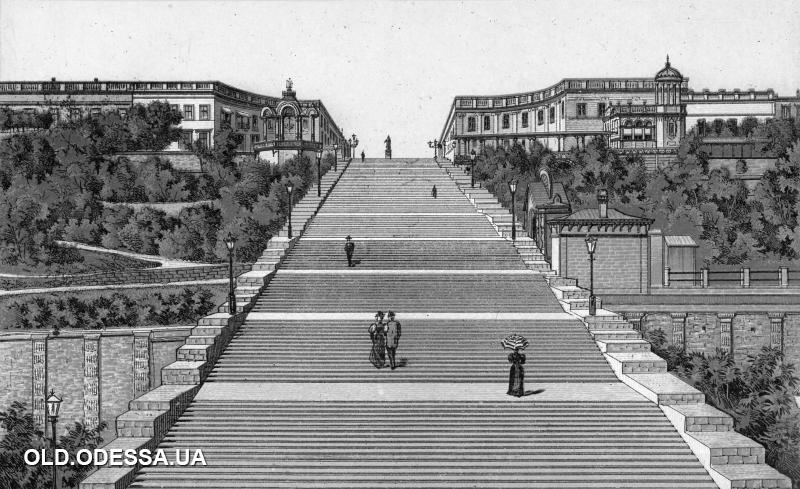 Around the same time, the “Pale-Royal” square was established, which was akin to a shopping center back then. It housed many shops and workshops. The architects of that era in Odesa, such as Francesco and Giovanni Frapolli, Francesco Boffo, Just Gai, and Giorgio Torricelli, were in high demand among the wealthy nobility and merchants. They constructed most of the city’s landmarks in the early 19th century. Additionally, during Vorontsov’s tenure, the main streets of the city, such as Gretska, Deribasivska, Rishelievska, Khersonska (now Paster), and Katherininska (now European), were fully built and organized. Mass construction of other city streets also began during this period. Land plots for houses were given away for free, but with one condition: within five years, a house had to be built on the land, otherwise, the city authorities would transfer the plot to another developer.
In 1834, a hospital was opened on the Kuyalnytskyi estuary, headed by the famous physician of the time, Erast Andriyevsky.
During this period, education and science received a significant boost: institutions such as the Institute of Noble Maidens, men’s and women’s gymnasiums, schools, four private boarding houses, the Society of History and Antiquities, and the Society of Agriculture of Southern Russia, with Vorontsov as its first president, were founded. In 1825, the first museum in Ukraine, the Odesa City Museum of Antiquities, was opened. On September 25, 1829, the public library was opened, becoming the second library in the entire empire and the first public library in Ukraine. Count Vorontsov donated his personal books (600 volumes of French classics in a luxurious edition by Firmin Didot) to its collection. Many other well-known individuals of the time, such as Louis Langeron, Ivan Blaramberg, Ivan Stempkovsky, and Ivan Sabaneiev, made similar contributions.
Vorontsov took care of the city’s social condition, particularly the status of religious communities, including the Jews. For instance, he ensured that during the visit of the Emperor’s wife, Alexandra Feodorovna, to the city, she visited one of the local synagogues. Later, at Mikhail Semenovich’s suggestion, Emperor Nicholas I visited Jewish schools and hospitals. This attention to the Jewish community in Odesa likely drew the interest of Jews throughout Europe to the city. This may have prompted the migration of members of the Jewish community from the Austrian Empire to Odesa, bringing foreign capital with them, which positively impacted the city’s economic status.
However, during this period, the plague returned to Odessa. The epidemic broke out again in 1829 but was quickly contained. Four years later, the entire region was hit by famine. However, this was also soon overcome, with the Vorontsov family spending significant personal funds to purchase grain. In 1837, the city was again struck by a severe plague epidemic, which was eventually overcome. In 1844, the city celebrated the 50th anniversary of its founding. That same year, Odessa ranked second in the empire in terms of port financial turnover, second only to Saint Petersburg.
The Crimean War or the Eastern War (1853–1856)
The war between the Russian Empire and the allied forces of the Ottoman Empire, Great Britain, the French Empire, and the Kingdom of Sardinia for dominance in the Middle East and the Balkans.
From the side of the Russian Empire, the main cause of the war was the contradiction between the development of industrial-capitalist relations in the state and the Russian serfdom economy, which hindered the development of industry due to the weakness of the domestic market. Of the two possible ways to solve the problem—abolition of serfdom or the development of external markets—the leadership of the empire chose the latter. Having started the wars of 1826–1828, Russian commercial capital took over the Ottoman and Persian markets and began advancing towards Central Asia and the Emirate of Afghanistan in the direction of India. This provoked resistance from Great Britain and France.
The immediate cause of the war was the seizure of the Moldavian Principality and Wallachia by Russian troops in 1853 with the aim of taking control of the grain trade of the Danube countries.
 The majority of the military actions in the Eastern War took place in Crimea, but they also extended to the regions of the Danube, the mouth of the Dnieper, Odesa, the Baltic and White Seas, and the Russian-Ottoman border in the Caucasus.
The war ended with the defeat of the Russian Empire and the signing of the Treaty of Paris in 1856. The treaty deprived Russia of the right to have a navy in the Black Sea, as well as forts and coastal arsenals. The Russian Empire publicly renounced its claims to the Moldavian Principality, Wallachia, and southern Bessarabia. The Russian emperor was stripped of his protectorate over the Christians of the Ottoman Empire, which was replaced by the collective patronage of all the great powers. The plan to expand the influence of the Russian Empire to the south failed. (Indeed, as a result of a series of cunning “multi-move tricks,” the next “Rurikovich” outplayed everyone: such strange parallels with the 21st century – editor’s note WH). A side effect of the war was a new wave of emigration of Crimean Tatars to the Ottoman Empire—about 135,500 people left Crimea.
Odessa (Odesa) during the Crimean War
Odesa, the largest trading port of the Russian Empire on the Black Sea and a city with almost 100,000 inhabitants, was very weakly fortified at the beginning of the Crimean War.
Six coastal batteries formed during the war were armed with 40 units of old, cast-iron fortress artillery, which were quite inadequate. In the city itself, a detachment of 16 reserve batteries, 18 squadrons, and hundreds with 76 guns and a small amount of cavalry were stationed under the command of General-Adjutant Baron Osten-Sacken.
The city’s defense was also bolstered by a single sailing 18-gun corvette, “Calypso,” which held a guard post at the entrance to the harbor.
As early as January 1854, the Allied fleet entered the Black Sea, and from the moment Great Britain and France declared war on Russia, it began to take active measures, stopping and capturing all commercial vessels under the Russian flag.
n March 27 (April 8), the Allied Black Sea squadron sent the British 16-gun steam frigate “Furious” to the shores of Odesa, ostensibly to evacuate the consuls of the Allied states and any of their subjects who wished to leave the city. The “Furious” tried to approach the port and lowered a boat, which, under a white (parliamentary) flag, approached the pier and, after being informed that the consuls had already left Odesa, began to return to the ship, which was maneuvering too close to the piers of the port.
he Russian defensive forces, suspecting these maneuvers were an attempt to scout the port and coastline, opened fire on the “Furious” and forced it to withdraw. The attack on a ship under a parliamentary flag gave the Allies a reason to call the incident “an unprecedented case in the history of wars among civilized nations” and to issue an ultimatum demanding the surrender of all French, British, and Russian ships in the harbor to the Allied squadron. Osten-Sacken rejected the ultimatum.
On April 8 (20), the Allied fleet, consisting of 19 ships, 10 steam frigates, and 3 gunboats (according to another version – consisting of 28 pennants) under Admiral Hamelin’s command, approached the city and anchored. Two days later, the Allies brought nine ships into position for bombardment: the French ships “Mogador,” “Vauban,” “Descartes,” and “Caton,” and the British ships “Samson,” “Terrible,” “Tiger,” “Retribution,” and “Furious.” They deployed a detachment of rowing boats armed with small-caliber guns firing incendiary shells and opened fire on the city and port. Battery No. 6, located at the edge of the Practical Pier and armed with only four guns, was the first to come under fire. It was commanded by 21-year-old cadet corps graduate Ensign Alexander Shchegolev. Despite the overwhelming disparity in forces, he successfully returned fire and managed to set the French frigate “Vauban” ablaze, forcing it to cease bombardment and focus on extinguishing the fire. Shchegolev’s battery fell silent only around one in the afternoon. The first attempt to land troops from boats in the Peresyp area was repelled with grapeshot from field artillery, but none of the attackers were injured.
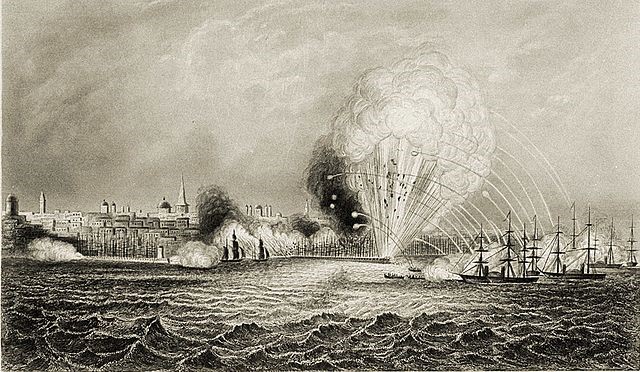 On April 10 (22), around 6:40 a.m., the bombardment began and lasted until about 5:00 p.m. For instance, the frigate “Terrible” alone fired 572 shells at Odesa. All day long, not only the port but also the city was under bombardment from the ships. On the Russian side, up to 250 lower ranks were killed or wounded. The area of the city adjacent to the port was almost completely destroyed. The port’s quays, warehouses, and Russian and neutral commercial vessels in the harbor were nearly all destroyed. The monument to Armand de Richelieu was also damaged—one of the shells hit the base of the monument and damaged the pedestal.
The Allies’ four frigates were damaged, and they immediately sent them to Varna for repairs. The steamer “Retribution” suffered the most severe damage. The British lost one sailor, and ten were wounded; the French sustained greater but still relatively minor losses.
After the bombardment of the city, the Allied squadron moved towards Crimea, but several ships remained to blockade the coastline near Odessa.
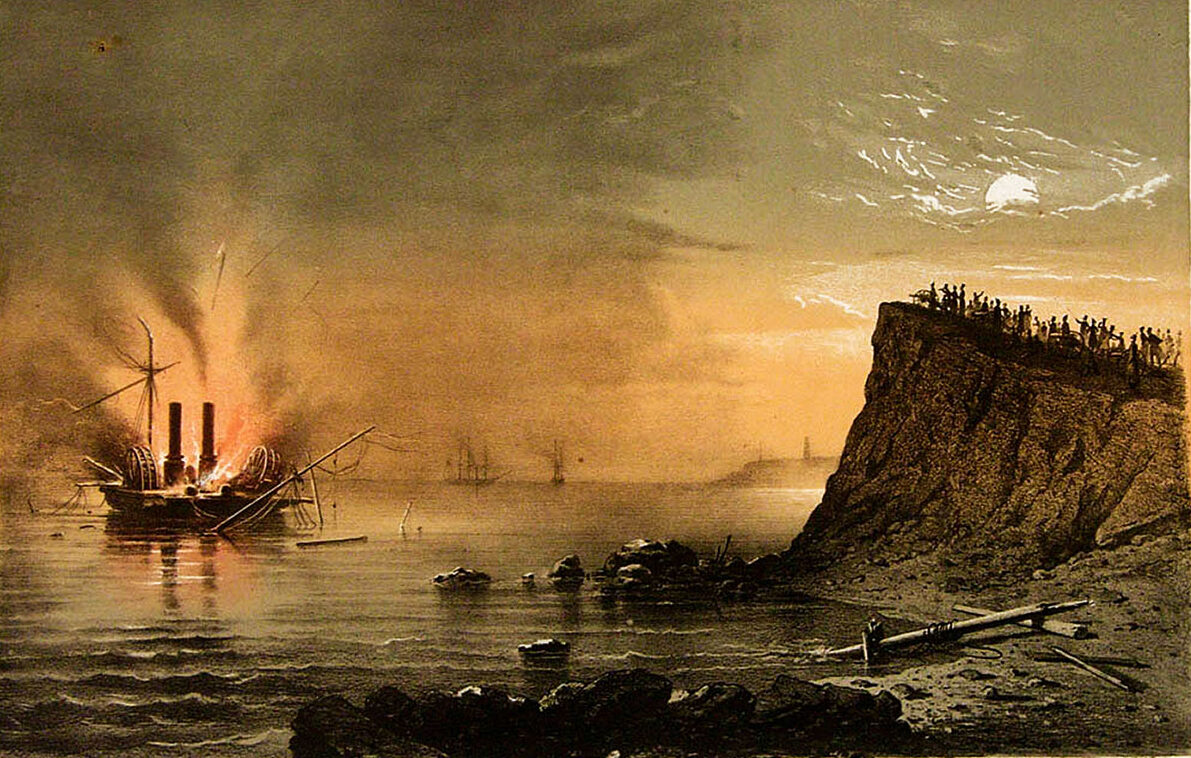 On April 30 (May 12) in the morning, the English 16-gun paddle steamer frigate “Tiger” ran aground under the steep shore of the Small Fountain. The fire from Russian field artillery, which was quickly deployed to firing positions opposite the site of the wreck, set it ablaze and forced the flag to be lowered. During the bombardment, Captain Henry Wells Giffard was wounded, and later died from his injuries in Odesa, along with several sailors. The 225 prisoners (24 officers and 201 sailors) were transported ashore, and the ship, which could not be refloated within a day, was destroyed the next day by the fire of two other Allied ships—HMS “Vesuvius” and HMS “Niger.” The ship’s steam engine was installed on the imperial yacht “Tiger,” and the guns from “Tiger” were incorporated into the newly created coastal batteries of Odessa.
The capture of the “Tiger” was significant for the Russian army as it was one of the latest paddle steamers of the English fleet, with a displacement of 1,220 tons and a 560-horsepower Pen’s steam engine—the best manufacturer in England. The ship was launched in 1849: initially serving as a yacht for Queen Victoria and later becoming a training ship for the Royal Navy.
The captured crew of the “Tiger” was housed in Odesa and attracted much attention from the local community, which the prisoners mentioned in enthusiastic letters home. Later, the prisoners were moved to the interior provinces and released on the orders of Emperor Nicholas I.
On the 50th anniversary of the events, in 1904, one of the frigate’s guns was installed as a trophy on Primorsky Boulevard in Odesa (now Dumska Square), where it remains to this day.
Odessa. Period 1856 – 1899
1791 – 1917 – Russian Empire
1802 – 1873 – Novorossia Governorate-General
1803 – 1917 – Kherson Governorate
1827 – 1917 – Odesa District
1803 – 1838 – Own City Administration
The beginning of the second half of the 19th century brought significant changes to Odesa, particularly economic ones. In 1856, a peace treaty was signed in Paris, ending the war. As military actions ceased and efforts to restore peace began, trade activity in the city resumed. Grain remained the primary export product, although sales figures for this commodity decreased compared to previous years. The main issue for traders was the poor condition of the railway tracks leading to the city. The following year saw the founding of a company that made a significant contribution to Odesa’s history—the “Russian Society of Steam Navigation and Trade.” Within a few years, this organization operated three trading ships: “Emperor Alexander II,” “Grand Duke Konstantin,” and “Oleg”.
In April 1859, the “porto-franco” status was abolished. It had lasted for a full forty years in the city’s history and had undoubtedly left its mark on the economic state, as well as on the architecture and cultural development of the city.
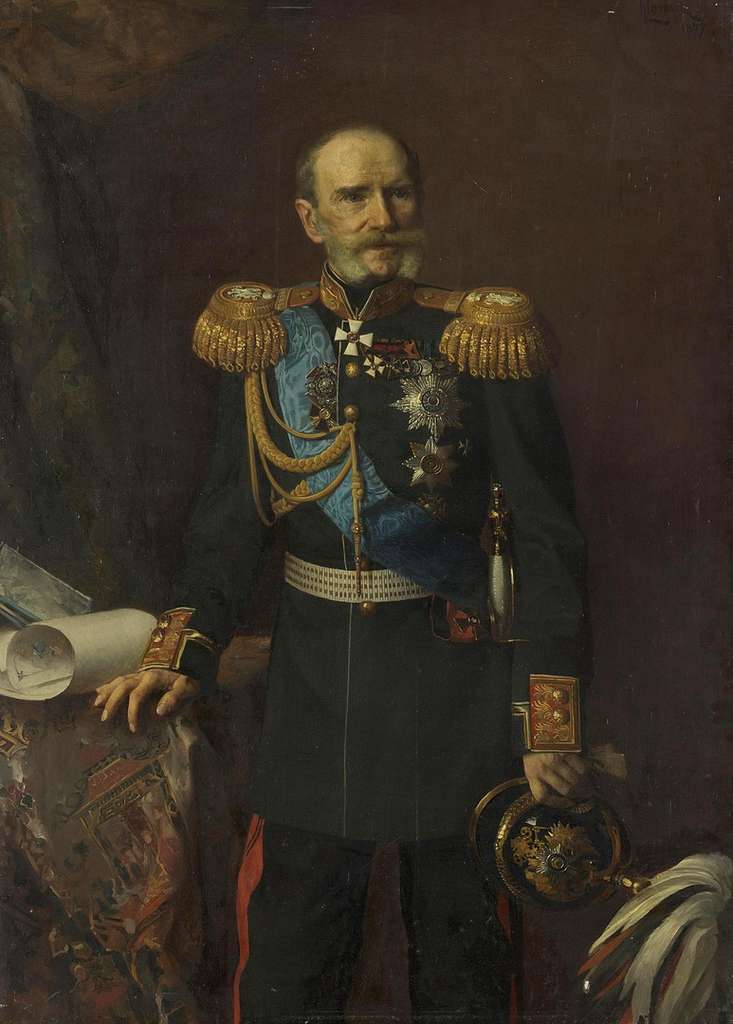
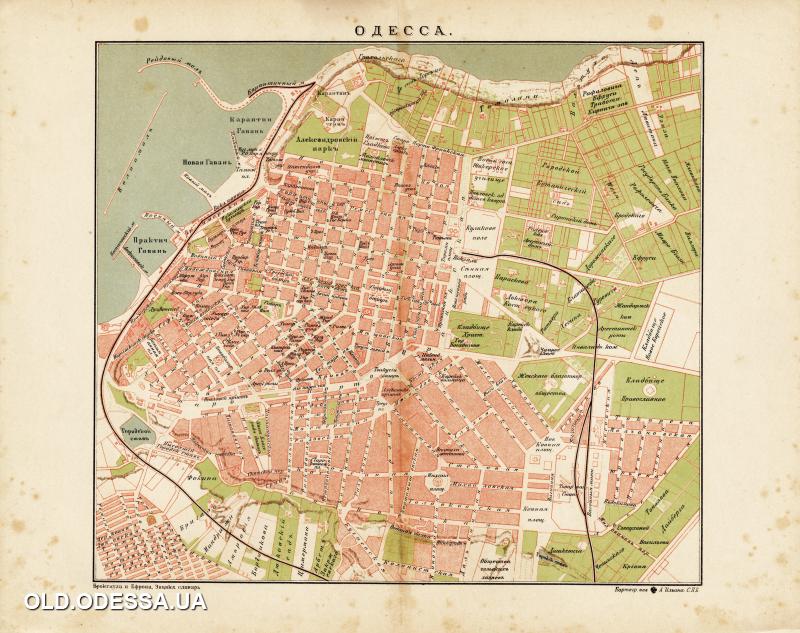
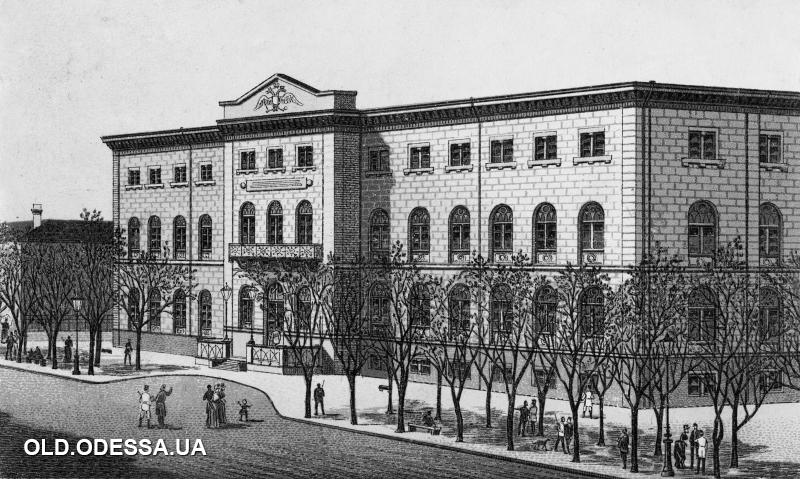
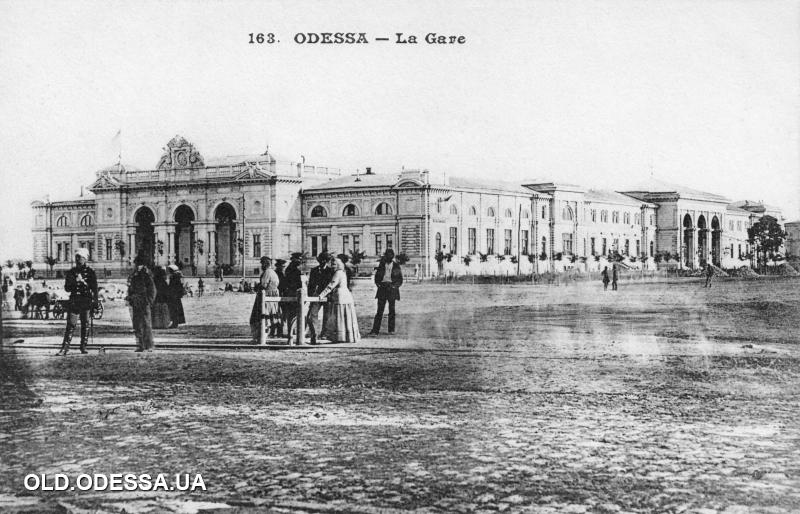
In the early 1870s, there was a noticeable increase in the number of industrial enterprises in Odesa, and in the 1890s, their number increased by two and a half times compared to the entire previous history of the city. Particularly, the number of factories and plants, mostly operating on steam engines, grew. The largest enterprises of that time included: the Rodokanaki jute factory, the railway workshops, the Arps cork factory, the Novikov rope factory, the sugar refinery of the Alexandrovsky Society, the bottle manufacturing plant of the joint-stock company, the tea-packing factory, and others. Additionally, salt was extracted from the Kuyalnyk estuary. The increase in enterprises also led to an increase in jobs, which in turn increased the population. By the end of the 1860s, Odesa’s population was 120,000; by 1873, it had grown to 193,513, and nineteen years later, the population had increased to 340,500. Among other factors contributing to the population increase was the abolition of serfdom during the peasant reform of 1861. Former serfs moved to the city in search of work to support their families.
In 1862, another significant event took place — on June 10, permission was granted to transform the Richelieu Lyceum into the Novorossiysk University, greatly assisted by then-governor-general Count Alexander Stroganov.
In 1873, Odesa opened its water supply system, which at the time was the most modern in Europe and the largest in the empire. Much credit for this goes to the city governor Nikolay Novoselsky and governor-general Count Paul Demetrius Kotzebue. Among their other achievements in urban development were the paving of streets, the installation of gas street lamps, and the opening of the first railway line from Odesa to Balta on December 3 (16), 1865.
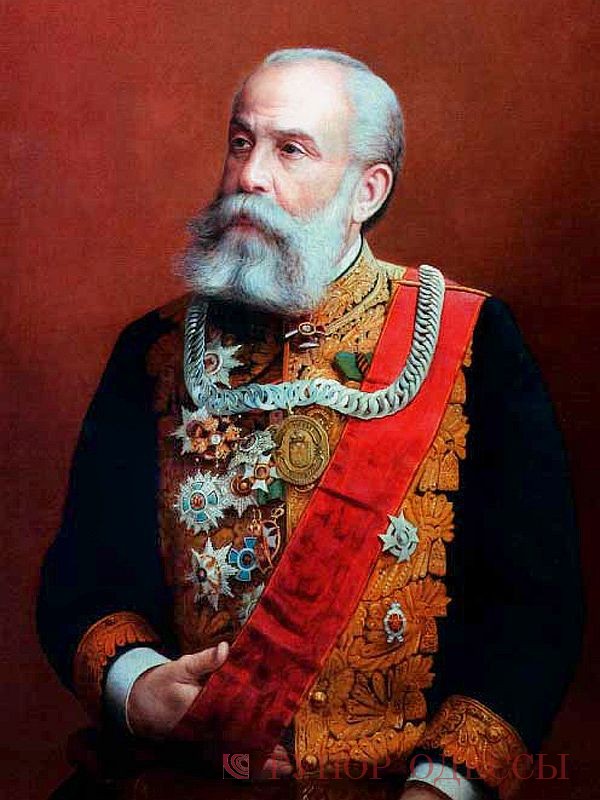
On October 21, 1878 (or September 20, according to other sources), Grigory Marazli, a native of a local Greek grain merchant family, succeeded Nikolay Novoselsky as city governor after the latter’s resignation. Before becoming an honorary citizen of the city, Marazli had acted as interim governor three times between Novoselsky’s terms, in 1871-1872, 1873, and 1875. Under Marazli’s administration, Odesa introduced many innovations for the first time in the Russian Empire, making it one of the most beautiful and modern cities in the country and on the continent. Notably, in 1881, a horse railway was built, the Pavlov building for affordable housing (with funds donated by P.Z. Yamchitsky) was constructed, a new night shelter and two dining rooms near the First Christian Cemetery were built (with 30,000 rubles allocated for the construction), a medical facility complex at Kuyalnyk estuary was established where a barrack for the poor sick, funded by Grigory Grigorovich’s 12,000 rubles, was built in 1886, along with a church. Additionally, a halfway house for former prisoners, an orphanage, a psychiatric ward at the city hospital, a steam tram line to Khadzhibey estuary, municipal slaughterhouses, irrigation fields, a city children’s garden with free games and gymnastics, a chemical laboratory for food product research under Professor A. Veriga’s supervision, the so-called “covered markets” (now the “New Bazaar” market), and electric lighting were introduced.
“In 1878, when Grigory Grigorievich Marazli assumed the duties of city governor, Odesa’s finances were in a very poor state. According to the budget for 1878 (the year Mr. Marazli took office), the city’s income, excluding the half-kopeck tax, was listed at 1,340 thousand rubles, while expenditures were listed at 1,617 thousand rubles. The deficit amounted to a significant figure of 277,000 rubles. However, with Marazli’s arrival, the city budget began to change significantly (except for 1879). It was presented to the Duma gradually with a known surplus, which progressively increased annually, reaching a significant figure of 128,000 rubles by 1888. During Grigory Grigorievich’s administration, the city was adorned with numerous useful public buildings…” — N. Fedorov, “The Century of Odessa”.
Marazli was elected city governor four consecutive times, in 1881, 1885, 1889, and 1893. The activities of the city governor and his closest associates were initially focused on the external beautification of the city, for which he and the Duma’s members were harshly criticized. For example, according to legend, the then Odesa Governor-General Christophor Roop, gathering the Duma members at his home, remarked, referring to the recently constructed Alexandrovsky Park (now the Central Park of Culture and Recreation named after T.G. Shevchenko): “You know how to create gardens, but you can’t provide clean linen for the sick in the city hospital…” — Christophor Roop.
In 1886, Ilya Mechnikov and Mykola Gamalia organized the first bacteriological station in Ukraine and the second in the world (after the Pasteur Institute in Paris), as indicated by a memorial plaque above the entrance of building No. 4 on Lev Tolstoy Street. Initially, the station was housed in Gamalia’s apartment on Kanatna Street.
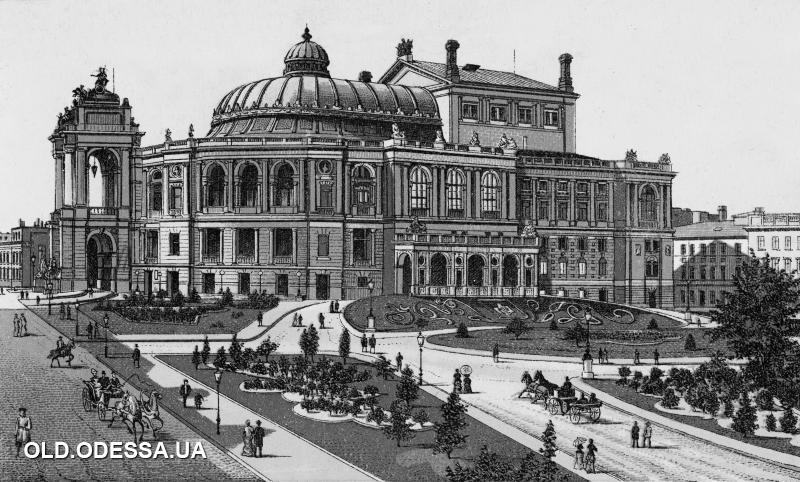
On October 1, 1887, the grand opening of the new city theater took place, built on the site of its two predecessors. The architects of the building were the renowned artists of Central and Eastern Europe, Ferdinand Fellner and Hermann Helmer, while the project engineers were local masters — F.V. Gonsiorovsky, Yuri Dmytrenko, and Alexander Bernardazzi. Today, the city theater is known as the Odesa National Academic Opera and Ballet Theater.
In 1894, a building for the circus (“Sanzenbacher’s Iron Circus”) was erected according to the design of engineer A.D. Helfand.
In January 1895, already in old age and due to illness, the city governor stepped down from his position, but he continued to take an interest in city affairs and regularly attended Duma meetings as a member and continued to be elected to this position until his death. Shortly before his death, the former city governor, Marazli, bequeathed his personal library, collected throughout his life, to the city. Marazli’s personal library contained about 10,000 volumes, predominantly foreign editions from the second half of the 19th century, primarily in French. The collection included works by Honoré de Balzac, Heinrich Heine, Victor Hugo, Alphonse Daudet, Alexandre Dumas (father and son), Émile Zola, Guy de Maupassant, and others. This entire collection was transferred to the city library (now the Odesa National Scientific Library).
READ MORE→
_______________________________
The text was translated from Ukrainian by Artificial Intelligence